Preserve Old Books

How to Preserve Old Books & Manuscripts: A Complete Guide

Introduction

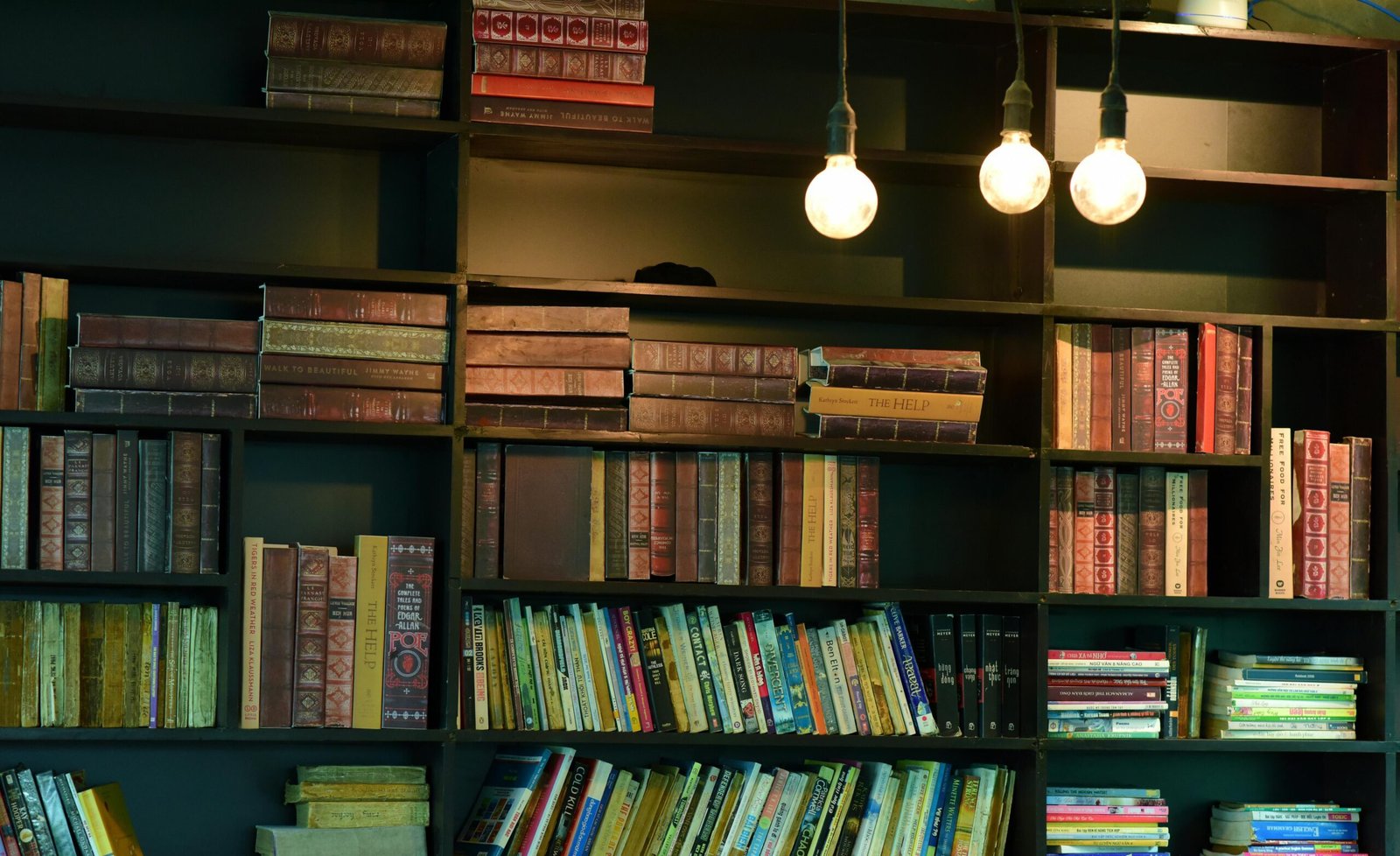
Old books and manuscripts are more than just reading material—they are gateways to history, culture, and personal heritage. Whether you own a centuries-old manuscript, a rare first edition, or a beloved family diary, knowing how to preserve old books ensures they survive for years to come.

Neglect, environmental factors, and improper handling can cause irreversible damage. In this comprehensive guide, we’ll explore the best techniques to protect your treasured books from deterioration, pests, and aging.

Why Is It Important to Preserve Old Books?

Preserving old books isn’t just about maintaining their physical condition—it’s about safeguarding knowledge and history. Here’s why it matters:

  • Historical Significance: Many old books contain unique insights, annotations, or out-of-print knowledge.
  • Monetary Value: Rare editions and signed copies can be worth thousands to collectors.
  • Sentimental Value: Family Bibles, handwritten letters, and heirloom books carry emotional weight.
  • Cultural Heritage: Manuscripts and antique books contribute to our understanding of past civilizations.

Without proper care, these irreplaceable items can succumb to mold, insect damage, or brittle decay.

Best Ways to Preserve Old Books & Manuscripts

1. Optimal Storage Conditions

The environment plays a crucial role in book preservation. Key factors to control:

Humidity & Temperature

  • Ideal Humidity: 30-50% (too high causes mold; too low makes paper brittle).
  • Ideal Temperature: 60-70°F (15-21°C)—avoid extreme heat or cold.
  • Avoid: Basements, attics, and damp areas where moisture fluctuates.

Light Exposure

  • UV rays from sunlight fade ink and weaken paper.
  • Solution: Store books in dark, enclosed spaces or use UV-filtering glass for display.

Proper Shelving & Storage Materials

  • Use acid-free boxes or archival-quality sleeves for delicate books.
  • Store vertically with bookends to prevent warping—never stack heavy books horizontally.
  • For rare collections, consider professional storage solutions like those from Antiqshop, experts in antique preservation.

2. Handling with Care

Oils, dirt, and rough handling accelerate deterioration.

Best Practices:

  • Wash and dry hands before touching old books, or wear cotton gloves.
  • Support the spine when opening—never force a book flat.
  • Turn pages gently from the top corner to avoid tears.
  • Avoid eating or drinking near valuable books to prevent spills and stains.

3. Preventing Pests & Mold

Silverfish, booklice, and mold are silent destroyers of paper.

How to Protect Your Books:

  • Silica gel packets help control moisture in storage areas.
  • Regular inspections catch early signs of insects or mold.
  • Natural repellents like lavender sachets deter pests without chemicals.
  • If mold appears, isolate the book and consult a professional conservator—DIY cleaning can worsen damage.

4. Repairing Damage Properly

Many well-meaning attempts at repair (like using tape or glue) cause long-term harm.

Safe Restoration Methods:

  • Loose pages: Place them in acid-free paper sleeves instead of re-gluing.
  • Torn spines: Seek a professional bookbinder for repairs.
  • Yellowed pages: Avoid bleaching—digitize the content instead.
  • Broken bindings: Use linen tape (not regular tape) for temporary fixes.

For advanced restoration techniques, refer to Wikipedia’s book preservation guide.

5. Digitization for Long-Term Preservation

Scanning old books reduces physical wear while preserving their content forever.

Best Digitization Practices:

  • Use a flatbed scanner to avoid stressing the spine.
  • High-resolution (300-600 DPI) ensures readability.
  • Store backups in multiple locations (cloud + external hard drives).
  • OCR (Optical Character Recognition) makes scanned text searchable.

Common Mistakes to Avoid

Even small errors can lead to irreversible damage:

  • Plastic bags: Trap moisture—use breathable, acid-free materials instead.
  • DIY repairs with tape or glue: Causes stains and further deterioration.
  • Overcleaning: Vigorous brushing can tear fragile pages.
  • Ignoring early warning signs: Small cracks, spots, or musty smells indicate bigger problems.

When to Seek Professional Help

Some situations require expert intervention:

  • Severe mold or insect infestations.
  • Fragile parchment or vellum manuscripts.
  • Water-damaged or fire-damaged books.
  • Rare books needing museum-grade conservation.

For specialized care, trusted services like Antiqshop offer professional restoration for antique books.

Final Thoughts

Learning how to preserve old books is an investment in history, knowledge, and personal legacy. By controlling storage conditions, handling with care, preventing pests, and digitizing content, you can extend the lifespan of your cherished collections.

Do you have a favorite preservation tip or a story about restoring an old book? Share your experiences in the comments below!

Antique Buyers

7 Must-Know Tips for First-Time Antique Buyers

Whether you’re looking to decorate your home with timeless charm or start a collection of historical treasures, antique buyers need to approach the process with the right knowledge and mindset. Buying antiques can be both exciting and overwhelming—especially if it’s your first time.

To help you navigate this fascinating world, here are 7 must-know tips for first-time antique buyers that will guide you in making informed, valuable, and satisfying purchases.

1. Educate Yourself Before You Buy

Knowledge is your strongest asset. Before diving into the antique market, take some time to research the basics—different eras, styles, materials, and what constitutes a true antique.

According to Wikipedia, an antique is typically an item that is at least 100 years old. However, in some cases, items over 50 years old may also be considered vintage or collectible, depending on the market and category.

Start by learning to identify popular antique styles such as:

  • Victorian
  • Art Deco
  • Mid-century Modern
  • Colonial
  • Edwardian

This knowledge will help you distinguish between authentic antiques and reproductions, as well as recognize quality craftsmanship.

2. Start with What You Love

For antique buyers, passion is key. Don’t fall into the trap of buying something just because it’s “valuable.” Focus on what genuinely interests you—whether that’s vintage clocks, porcelain, furniture, or old coins.

When you buy what you love, you’ll enjoy it more and likely care for it better. Plus, your enthusiasm will make it easier to learn about the item’s history and background.

3. Understand the Value of Condition

Condition significantly affects the value of an antique. Minor wear and tear are expected, but major damages like cracks, missing parts, or extensive repairs can drastically reduce an item’s worth.

That said, be cautious with items that appear “too perfect.” Some dealers may restore antiques so heavily that they lose originality. For first-time antique buyers, it’s wise to look for items in good but not flawless condition to strike a balance between authenticity and preservation.

4. Learn the Art of Negotiation

Antique Buyers
– – > STREET MARKET

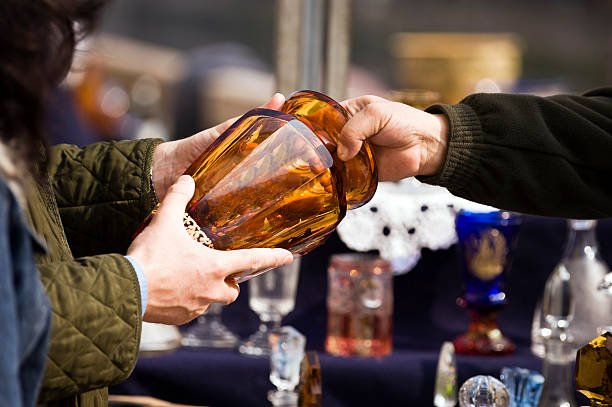
Haggling is common in the antique world. Whether you’re browsing a flea market, antique shop, or auction house, sellers often expect negotiation.

Here are some simple tips:

  • Always ask politely if the price is negotiable.
  • Show genuine interest but don’t appear desperate.
  • Research similar items beforehand so you have a ballpark value.

You can also compare prices and product descriptions on trusted platforms like AntiqShop, which offers a curated selection of genuine vintage and antique items.

5. Ask About Provenance and Documentation

One of the golden rules for antique buyers is verifying authenticity. Provenance refers to the item’s history of ownership. A well-documented provenance not only proves authenticity but also increases the item’s value.

If available, ask for:

  • Purchase receipts
  • Certificates of authenticity
  • Restoration records
  • Previous ownership details

Even old photographs showing the item in a historical setting can be valuable proof.

6. Inspect Before You Invest

No matter how appealing a piece looks online, nothing beats a personal inspection. This tip is especially crucial for first-time antique buyers.

Things to look for include:

  • Signs of genuine aging (patina, minor wear)
  • Materials used (solid wood vs. plywood)
  • Construction methods (e.g., dovetail joints in drawers)
  • Inconsistencies that may hint at a reproduction

If buying online, request high-resolution photos and ask detailed questions before completing the transaction.

7. Build Relationships with Reputable Sellers

Trustworthy dealers are invaluable. As a beginner, connecting with knowledgeable antique sellers can help you avoid scams and gain access to rare finds.

Reputable sellers will:

  • Provide honest descriptions
  • Educate you about each piece
  • Offer return policies or guarantees
  • Help you understand market trends

Platforms like https://antiqshop.co.in/ specialize in authentic vintage and antique pieces and are a good starting point for buyers who want to shop confidently.

Bonus Tip: Start Small and Scale Gradually

Begin your antique journey with smaller, less expensive items such as vintage decor, jewelry, or collectible ceramics. This approach helps you get familiar with the process of buying antiques without a large financial commitment.

As your knowledge and confidence grow, you can gradually move toward high-value investments like antique furniture or artwork.

Conclusion: Your Antique Journey Starts Here

Becoming a successful antique buyer is not just about making purchases—it’s about discovering stories, preserving history, and developing an eye for craftsmanship. With these 7 must-know tips for first-time antique buyers, you’re well on your way to building a collection that reflects both value and personality.

Whether you’re seeking antique furniture, vintage collectibles, or rare finds, remember to shop smart, ask questions, and follow your instincts. Most importantly, enjoy the journey of uncovering hidden treasures from the past.

Explore more genuine pieces and learn from experienced sellers at AntiqShop, your one-stop destination for quality antiques.

hunt for antiques

The Best Places to Hunt for Antiques in India

India, with its rich cultural history and diverse heritage, is a paradise for those who love to hunt for antiques. Whether you’re a seasoned collector or a curious traveler, the country’s bustling markets and historic towns offer a treasure trove of vintage collectibles, ancient artifacts, colonial furniture, and rare curiosities. In this guide, we take you through the best places to explore in India for antique shopping — where history comes alive in every piece.

1. Chor Bazaar, Mumbai

One of the most iconic spots to hunt for antiques in India is the famous Chor Bazaar in Mumbai. Literally translating to “Thieves’ Market,” Chor Bazaar is known for its labyrinth of shops that carry everything from vintage Bollywood posters and old gramophones to colonial furniture and rare clocks.

Why visit?

  • Affordable prices
  • Negotiation-friendly
  • Authentic vintage vibe
    LSI keywords: vintage markets, antique street shops, Mumbai flea markets

Pro Tip: Go early in the morning for the best finds, and don’t shy away from bargaining.

2. Jew Town, Kochi (Cochin)

Situated in Kerala, Jew Town in Kochi is a hub for antique lovers. It’s known for its historic synagogues, spice shops, and antique showrooms that date back to the colonial era.

What can you find?

  • Wooden carvings
  • Traditional brass lamps
  • Portuguese and Dutch era collectibles

The serene surroundings add to the charm, making your hunt for antiques a relaxing yet thrilling experience.

Learn more about Jew Town and Kochi’s cultural legacy from Kerala Tourism.

3. Daryaganj Book Market & Janpath, Delhi

Delhi’s Daryaganj and Janpath offer more than just books and clothing — they are surprisingly rich sources of vintage collectibles.

What to expect?

  • Antique coins
  • Old maps
  • Vintage stamps
  • Retro decor pieces

If you love history and enjoy digging through items with stories to tell, this is a fantastic place to explore. It’s one of the lesser-known but rewarding spots to hunt for antiques.

4. Rajasthan – Jaipur, Jodhpur, and Udaipur

When it comes to royal antiques, Rajasthan stands tall. Known for its regal past, this state is a haven for palatial décor lovers.

Jaipur:

Check out MI Road and local antique shops for Rajasthani paintings, jharokhas (window frames), and vintage silverware.

Jodhpur:

Famous for its Sardar Market, which offers colonial furniture, swords, and traditional iron trunks.

Udaipur:

Small shops near City Palace are filled with beautiful miniature paintings, old mirrors, and heritage furniture.

LSI keywords: royal antiques, vintage Rajasthani collectibles, heritage décor

5. Pondicherry – Mission Street & MG Road

A former French colony, Pondicherry blends European elegance with Indian culture. Antique lovers will appreciate the city’s beautiful colonial homes and boutiques.

Top finds:

  • French colonial furniture
  • Vintage crockery
  • Rare books and manuscripts

Explore Mission Street and MG Road to get authentic European-style antiques in India.

6. Goa – Mapusa and Panjim Markets

hunt for antiques

Goa is not just about beaches and parties. If you dig a little deeper, you’ll find its antique scene quite fascinating.

Where to go?

  • Mapusa Friday Market – perfect for vintage clocks, Christian relics, and Portuguese-era furniture.
  • Panjim boutiques – ideal for finding decorative mirrors, chandeliers, and ceramic treasures.

While most come here for sun and sand, collectors make a special trip to hunt for antiques in this laid-back paradise.

7. Kolkata – New Market & College Street

The City of Joy is a hidden gem for art and antique lovers. Kolkata’s markets overflow with colonial remnants and literary treasures.

Best areas:

  • New Market: For British-era furniture and decor.
  • College Street: Ideal for rare books, vintage prints, and art collectibles.

Kolkata’s old-world charm is reflected in its well-preserved antique pieces, making it one of the best places to hunt for antiques.

8. Ahmedabad – Manek Chowk and Old City Markets

Ahmedabad offers a unique blend of Gujarati heritage and Islamic artistry. The markets here are vibrant, colorful, and full of surprises.

What’s worth collecting?

  • Vintage jewelry boxes
  • Old utensils
  • Hand-carved wooden doors
  • Vintage textiles and embroidery

The Old City’s lanes are narrow but filled with treasures, so wear comfortable shoes and be ready for a deep dive into history.

9. T Nagar, Chennai

Chennai’s T Nagar is famous for gold jewelry, but antique hunters know its other secret — vintage collectibles from Tamil Nadu’s rich heritage.

Expect to find:

  • Traditional Tanjore paintings
  • Vintage bronze idols
  • Rare temple artifacts

T Nagar may be crowded, but it’s a must-visit if you’re in South India and want to hunt for antiques with a cultural spin.

10. Online Antique Stores in India

For those who prefer the convenience of shopping from home, India has a growing number of trusted online antique stores.

One highly recommended store is Antiqshop. They offer:

  • Authentic vintage pieces
  • Wide selection of decorative collectibles
  • Easy shipping options

It’s a great option if you’re looking to explore heritage treasures without traveling extensively.

Tips for Antique Hunting in India

  • Do your research: Learn about the region and the type of antiques it’s known for.
  • Bargain wisely: Negotiation is expected but be respectful.
  • Check authenticity: Ask for documentation when possible, especially for valuable items.
  • Carry cash: Many shops still prefer it over digital payments.

Final Thoughts

The hunt for antiques in India is more than just shopping — it’s an exploration of the country’s rich tapestry of cultures, histories, and artistic expressions. Whether you’re browsing the bustling markets of Mumbai, exploring colonial gems in Pondicherry, or scrolling through online collections from the comfort of your home, India offers endless possibilities for antique lovers.

So, pack your curiosity, sharpen your eye for detail, and begin your journey to find timeless treasures that carry stories of the past and elegance for the future.


Liked this guide? Start your hunt at Antiqshop, your one-stop destination for unique antique collectibles!

rare antiques

10 Rare Antiques That Could Be Worth a Fortune

Rare antiques are more than just old items—they’re often hidden treasures with remarkable value. What looks like a dusty relic to some may actually be a prized possession for collectors. Whether inherited or found at a flea market, many antique items can turn into profitable discoveries.

In this guide, we explore 10 rare antiques that could be worth a fortune today.

1. Antique Pocket Watches

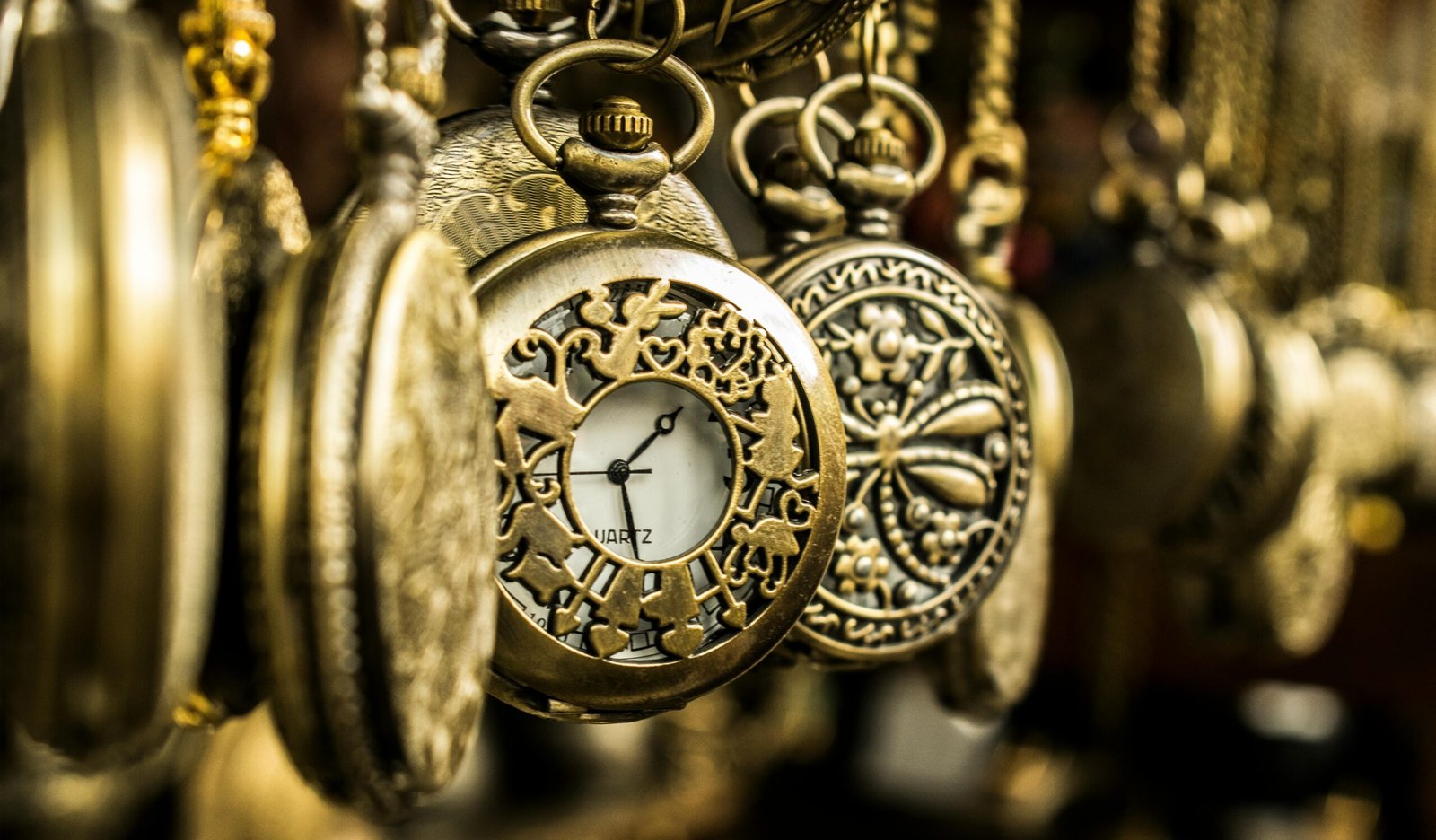
One of the most classic and valuable heirlooms, antique pocket watches are loved by collectors for their mechanical artistry and elegance. Brands like Patek Philippe, Omega, and Elgin can fetch thousands if kept in good condition.

Look for:

  • Gold or silver cases
  • Engraved manufacturer marks
  • Original chains or fobs

2. Vintage Typewriters

Though replaced by digital tools, vintage typewriters—especially those from the early 1900s—are hot collectibles. Typewriters from Remington, Underwood, and Royal are highly sought-after.

Collectors love them for:

  • Their mechanical charm
  • Historical significance
  • Unique design aesthetics

These old treasures can be worth anywhere from ₹5,000 to ₹50,000 depending on rarity and condition.

3. Old Coins and Currency

Rare coins are among the most lucrative antique investments. From British India coins to early princely state currencies, collectors (or numismatists) pay handsomely for coins with historical value.

Hot picks include:

  • One rupee silver coins from the 1800s
  • Commemorative coins
  • Coins with minting errors

📚 Learn more about numismatics on Wikipedia

4. Antique Furniture

If you have a wooden wardrobe or table passed down generations, it may be more than sentimental—antique furniture from the colonial or Victorian era can be extremely valuable.

Styles to look for:

  • Chippendale or Queen Anne design
  • Carved teak or mahogany
  • Original fixtures and brass handles

These vintage collectibles often gain value due to craftsmanship and durability.

5. First Edition Books

Books that changed history are precious, and their first editions are even more so. If you own a first edition of classics like The Great Gatsby, Jane Eyre, or Harry Potter and the Philosopher’s Stone, you could be sitting on a goldmine.

Look for:

  • Dust jackets in good condition
  • Signed copies
  • Early publication dates

Even lesser-known titles can fetch thousands if they’re rare enough.

6. Antique Jewelry

Many families hold on to old jewelry, not knowing its true value. Victorian, Mughal, or Art Deco jewelry—especially those made with uncut diamonds, emeralds, or natural pearls—are worth a close inspection.

Signs of high value include:

  • Handmade settings
  • Hallmarks or stamps
  • Original boxes or certificates

These valuable heirlooms are often cherished both for their beauty and investment potential.

7. Porcelain Dolls

If you find a porcelain doll tucked away in an old trunk, don’t dismiss it. Dolls made in Germany or France in the 1800s, especially by brands like Jumeau, Kestner, or Bru, can sell for lakhs depending on condition.

Features to check:

  • Glass eyes
  • Original clothing
  • Maker’s marks on the neck or back

8. Gramophones and Vinyl Records

Before smartphones and Bluetooth, music lovers enjoyed tunes through gramophones. These historical objects are now hot items at auctions, particularly those with brass horns and wooden bases.

Bonus: If you have original vinyl records, especially by legends like Elvis, The Beatles, or Lata Mangeshkar, they may add significant value.

9. Vintage Cameras

Photography buffs love collecting vintage cameras, especially mechanical ones from Leica, Hasselblad, or Kodak. Early 20th-century models with lenses and cases intact can fetch thousands of rupees.

Common traits of valuable cameras:

  • Bellows-style design
  • Manual film winding
  • Leather casing

These antique items often appeal to both art collectors and photographers.

10. Rare Paintings and Prints

Art never goes out of style—especially if it’s rare. Early works by now-famous Indian artists, vintage lithographs, or colonial-era oil paintings may be rare antiques with huge market value.

Look for:

  • Artist signatures
  • Paper or canvas aging
  • Provenance or auction history

Even unsigned pieces can hold high aesthetic and monetary worth if they’re unique.

Tips to Identify Rare Antiques

Not every old object is valuable. Use these tips to separate the junk from the gems:

Check age – Items over 100 years old often qualify as antiques
Inspect craftsmanship – Handmade details indicate quality
Look for markings – Stamps, hallmarks, or labels can reveal origin
Evaluate condition – Minor wear is okay, but avoid damage
Do research – Compare similar items online or consult experts

Where to Buy or Sell Rare Antiques?

Whether you’re a collector or looking to sell, finding the right marketplace is key. Online platforms like AntiqShop offer a curated selection of rare antiques—from furniture and jewelry to collectibles and artwork.

These platforms make it easier to:

  • Research item value
  • Connect with verified buyers and sellers
  • Stay updated on antique trends

Final Thoughts

Rare antiques are not just remnants of the past—they’re timeless stories wrapped in craftsmanship and culture. Whether you’re hunting for old coins, vintage furniture, or rare artwork, each antique has the potential to surprise you with its worth.

Take a second look at what’s in your attic, basement, or old trunk. Who knows? One of those forgotten pieces might just fund your next vacation—or more!